
P.F. Chang's: A Culinary Journey Through Americanized Asian Fine Dining
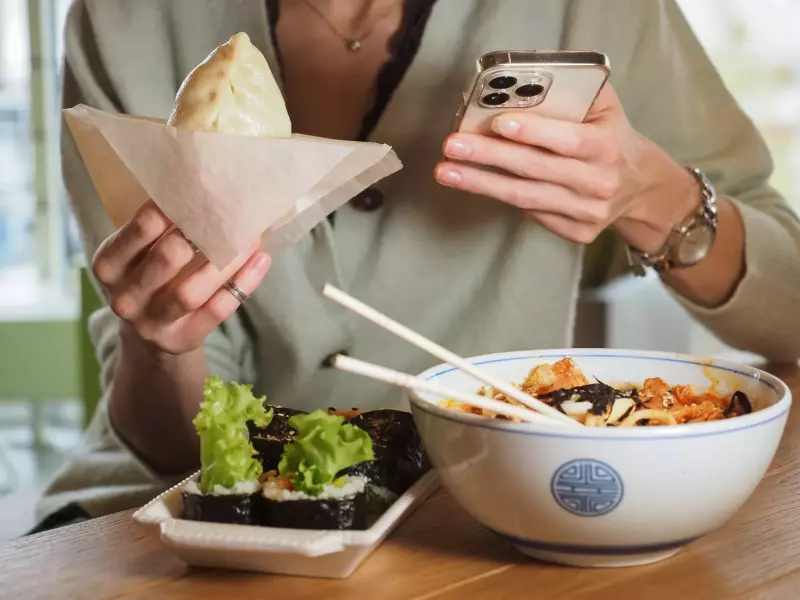
I've always found P.F. Chang's to be a fascinating study in the American restaurant landscape. It isn't just another chain; it's a phenomenon that, for many of us, shaped our early perceptions of 'upscale' Asian-inspired cuisine. I remember my first visit, probably over two decades ago. The sheer scale of the place, the dramatic lighting, those enormous horse statues guarding the entrance – it was an experience. Not quite a traditional Chinese restaurant, no, but something undeniably captivating, something different.
You know, P.F. Chang's wasn't birthed from a tiny, family-run noodle shop; it was a deliberate creation by two visionaries: Paul Fleming, a seasoned restaurateur, and Philip Chiang, whose mother, Cecilia Chiang, brought authentic Mandarin cuisine to America with her legendary restaurant, The Mandarin. What they did in 1993 was pretty smart. They saw a gap. People wanted more than just takeout, but perhaps weren't ready for the full breadth of traditional Chinese dining. They wanted something familiar, yet exotic. Something with a bit of flash, a comfortable atmosphere, and flavors that resonated with the American palate.
The Core of the Experience: Signature Dishes and Ambiance
When I think about P.F. Chang's, a few things immediately pop into my head. The atmosphere, for one. It's distinct, isn't it? The dark wood, the warm lighting, the subtle but ever-present aroma of garlic and ginger wafting through the air. And those horse statues! They've become iconic. They don't just decorate the space; they tell a story, invoking ancient China and a sense of grandeur that most casual dining spots simply can't touch. It makes you feel like you're stepping into somewhere significant, somewhere a little bit special.
Then there's the food. Oh, the food. We all have our go-to orders, don't we? For me, it's gotta be the Chang's Lettuce Wraps. Honestly, they're legendary for a reason. The savory, wok-seared chicken or vegetarian filling, the crisp iceberg lettuce cups – it's a perfect blend of textures and flavors. It's interactive, too, which I always appreciate. You get to build your own bite. And let's not forget:
- Mongolian Beef: Sticky, sweet, and savory. That caramelized beef, usually served with steamed white rice, is a consistent crowd-pleaser. It’s hard to mess up.
- Chang's Spicy Chicken: A bit of a kick, tender chicken, usually with that signature sweet and sour glaze. It’s a classic for anyone who likes a touch of heat.
- Dynamite Shrimp: Crispy shrimp tossed in a creamy, spicy Sriracha aioli. This dish always feels like a treat, a little indulgent appetizer that just sings.
It’s clear to me that these dishes weren’t just thrown together; they were crafted. They took familiar Chinese flavors and presented them in a way that felt approachable and deeply satisfying to a broad American audience. They weren’t necessarily trying to replicate a dim sum experience from Hong Kong; they were building something new, something that fit into a different dining niche entirely.
“P.F. Chang’s didn’t invent Asian food, but they certainly perfected the art of making it universally appealing without losing a sense of occasion. That, I think, is their real genius.”
Evolution and Adaptation: Staying Relevant in a Crowded Market
What's truly impressive about P.F. Chang's is its ability to adapt. The restaurant industry is notoriously brutal, and trends come and go faster than you can say 'pho'. But P.F. Chang's has managed to stay relevant for decades. They’ve done this by understanding their customer base and evolving with them. I've seen them introduce new menu items that cater to various dietary preferences, offer expanded takeout and delivery options, and even launch smaller, faster concepts like P.F. Chang's To Go. This move, particularly, shows they're not content to rest on their laurels; they're actively trying to meet diners wherever they are, even if that's at home on the couch.
Think about it. When P.F. Chang's first opened, the idea of a sit-down, somewhat upscale Chinese-American restaurant was pretty novel. Most Chinese places were either quick-service joints or very traditional, family-style establishments. P.F. Chang's bridged that gap, offering a consistent, quality experience that felt a cut above the rest. And they did it nationally, which is no small feat.
- They mastered consistency, ensuring that whether you're in Arizona or New York, your Mongolian Beef tastes pretty much the same.
- They cultivated a distinct brand identity – you know a P.F. Chang's when you see one.
- They innovated, keeping the menu fresh while retaining beloved classics.
- They expanded accessibility through various formats.
Of course, there have been discussions over the years about authenticity. Some purists argue that P.F. Chang's isn't 'real' Chinese food. And you know what? That's probably fair, if your definition of 'real' is strictly traditional. But I don't think P.F. Chang's ever claimed to be that. It’s an American restaurant, inspired by Asian flavors, designed for an American audience. It's about bringing those delicious, bold tastes into a comfortable, accessible setting. It’s a place where someone who might be hesitant to try a truly authentic regional Chinese eatery can still enjoy a fantastic meal with a pan-Asian twist.
In my opinion, P.F. Chang's fills an important niche. It offers a consistent, quality dining experience that combines familiar comforts with a touch of exotic flair. It isn't just a place to eat; it's a place to gather, to celebrate, to enjoy a meal that feels a bit special without being overly formal. And in today's incredibly diverse culinary world, I think there's absolutely still a place for that kind of experience. It continues to be a go-to for countless families and friends looking for a reliable, enjoyable meal. I mean, who can really say no to those lettuce wraps, right? They're just too good.
About Editorial Team
Senior columnist and culture critic specializing in architectural designs, emerging high-growth systems, and contemporary philosophies.