
Holden: An Australian Icon's Journey and Enduring Legacy
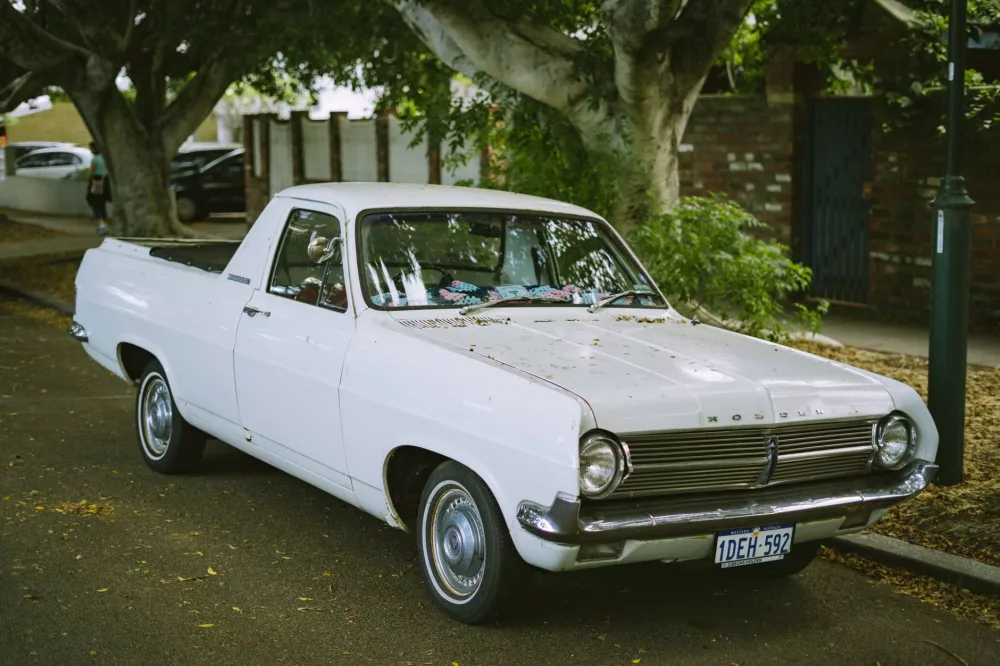
The Heartbeat of a Nation: What Holden Meant to Australia
When I think of Holden, it’s impossible not to conjure up images of classic Australian motoring, sun-drenched road trips, and the unmistakable rumble of a V8 engine. For generations of Aussies, Holden wasn't just a car brand; it was part of the family, a symbol of national pride, and a cornerstone of our automotive identity. You know, from the bustling cities to the vast outback, you'd find a Holden, faithfully doing its job. It's a story that spans over a century, filled with innovation, triumph, and, ultimately, a deeply emotional farewell.
My aim here is to take you through the remarkable journey of Holden, exploring its humble beginnings, its golden era of local manufacturing, the challenges it faced, and why its eventual departure left such a void in the Australian psyche. It’s more than just a car company’s history; it’s a reflection of Australian ingenuity and spirit.
From Saddles to Sedans: The Early Days
Holden’s origins actually stretch way back to 1856, when James Alexander Holden established J.A. Holden & Co. as a saddlery business in Adelaide. Can you believe it? From horse-drawn carriages to high-performance cars! Over time, the company diversified, moving into vehicle body building in the early 20th century. By 1931, the American giant General Motors saw the potential and acquired Holden, forming General Motors-Holden’s Ltd. This was a really significant step, setting the stage for what was to come.
The post-war era brought an urgent need for local manufacturing and a car built specifically for Australian conditions. That's where the magic really happened. On November 29, 1948, Prime Minister Ben Chifley unveiled the 48-215 sedan, affectionately known to everyone as the 'FX Holden'. This wasn't just *a* car; it was the Australian car. It was rugged, affordable, and perfectly suited to our vast continent. I mean, it was an instant hit, quickly becoming the best-selling car in the country and cementing Holden’s place in our hearts.
The Glory Years: Icons of the Road
The decades that followed truly cemented Holden's legendary status. The 1960s and 70s were an absolute golden age for the brand, giving us some of the most iconic vehicles ever to grace Australian roads. We saw an explosion of models that catered to every segment of the market, from family wagons to roaring muscle cars.
- The FJ Holden (1953): Building on the success of the FX, the FJ became an enduring symbol of 1950s Australia. Everyone wanted one!
- The Kingswood (1968): This was the quintessential family sedan. My uncle had one, and I remember piling into the back for countless road trips. It was tough, reliable, and just… Australian.
- The Monaro (1968): Oh, the Monaro! This was a game-changer. Holden's answer to the muscle car craze, it was a sleek, powerful coupe that captured the imagination of a generation. Seeing one today still gives me chills.
- The Torana (1967): A smaller, sportier option, the Torana was a huge success in touring car racing and became a favorite among performance enthusiasts. It truly punched above its weight.
- The Commodore (1978): This one's arguably their most famous nameplate. Initially based on European Opel platforms, it quickly evolved into a uniquely Australian beast. It was the backbone of Holden sales for decades, the car you’d see everywhere, from company fleets to suburban driveways.
Holden's rivalry with Ford was also a huge part of its identity. Bathurst 1000 was never just a race; it was a battle for national bragging rights, and I remember the excitement of watching those races with my dad. It was absolutely ingrained in our sporting culture.
Navigating Rough Roads: Challenges and Change
But like any long journey, Holden’s wasn't always smooth sailing. The late 20th century brought a wave of challenges. Global oil crises made big, thirsty engines less attractive, and stringent new emission regulations forced carmakers to adapt. Then there was the increasing competition from high-quality, fuel-efficient Japanese and European imports that really started to bite into their market share.
To combat these pressures, Holden began incorporating more global platforms, sometimes rebadging models from other GM divisions like Opel and Daewoo. While this offered cost efficiencies and a broader product range, some felt it diluted the 'Australian' essence of the brand. I think many of us missed that pure, homegrown feel.
The Rise of HSV: Keeping the Performance Dream Alive
Amidst these challenges, one beacon of pure performance shone brightly: Holden Special Vehicles (HSV). Established in 1987, HSV took already potent Holdens – especially the Commodore – and transformed them into absolute beasts. They were the ultimate expression of Australian muscle, with bigger engines, enhanced handling, and aggressive styling. These weren’t just cars; they were high-octane machines, coveted by enthusiasts across the country. I remember dreaming of owning an HSV Senator or a Maloo ute; they were just incredible.
The Final Chapter: An Emotional Farewell
The global financial crisis of 2008 hit the automotive industry hard, and Holden, despite its long history, wasn't immune. Economic pressures, the high cost of manufacturing in Australia, and the relatively small domestic market made local production increasingly unsustainable. It was a tough pill to swallow for everyone involved.
In 2013, GM announced the heartbreaking decision to cease all Australian manufacturing by the end of 2017. I remember feeling a huge pang of sadness when I heard that news; it felt like losing a part of our national identity. The final locally produced Holden Commodore rolled off the Elizabeth assembly line in South Australia on October 20, 2017, marking the end of an era stretching back almost 70 years.
Unfortunately, the story didn't end there. After struggling with declining sales and an evolving product lineup based entirely on imported models, General Motors announced in February 2020 that the Holden brand would be retired completely by the end of that year. It was a truly devastating moment for many Australians. It felt like the final nail in the coffin for a brand that had been so deeply ingrained in our culture.
Holden's Enduring Legacy
Even though Holden is no longer producing cars, and the brand itself has been retired, its legacy lives on. It's etched into the very fabric of Australia. When I see an old Kingswood rumbling down the road, or a perfectly restored Monaro at a car show, I can’t help but smile. These aren’t just old vehicles; they’re moving pieces of history, carrying countless memories.
Holden taught us about Australian grit, innovation, and the spirit of making things our own. It fostered a vibrant motorsport culture, created jobs for thousands, and gave us cars that felt like they were designed for us, by us. Its story is a poignant reminder of how deeply an industrial giant can connect with a nation, shaping its culture, its dreams, and its identity. While the production lines are silent, the roar of a Holden V8 will forever echo in the Australian memory. We'll always remember our Holden.
About Editorial Team
Senior columnist and culture critic specializing in architectural designs, emerging high-growth systems, and contemporary philosophies.